


April 22, 2025
Executive Summary
In today’s digital-first financial landscape, website accessibility is not a luxury… it’s a legal obligation, a strategic advantage, and a reflection of institutional values. For community banks and credit unions that pride themselves on serving the full spectrum of their communities, digital experiences must be accessible to individuals of all abilities.
As reliance on online banking tools continues to grow, the need for regular accessibility scans becomes more urgent. This white paper outlines the regulatory context, the risks of inaction, and the practical benefits of adopting an accessibility-first approach supported by routine website audits.
Understanding Digital Accessibility
What It Means
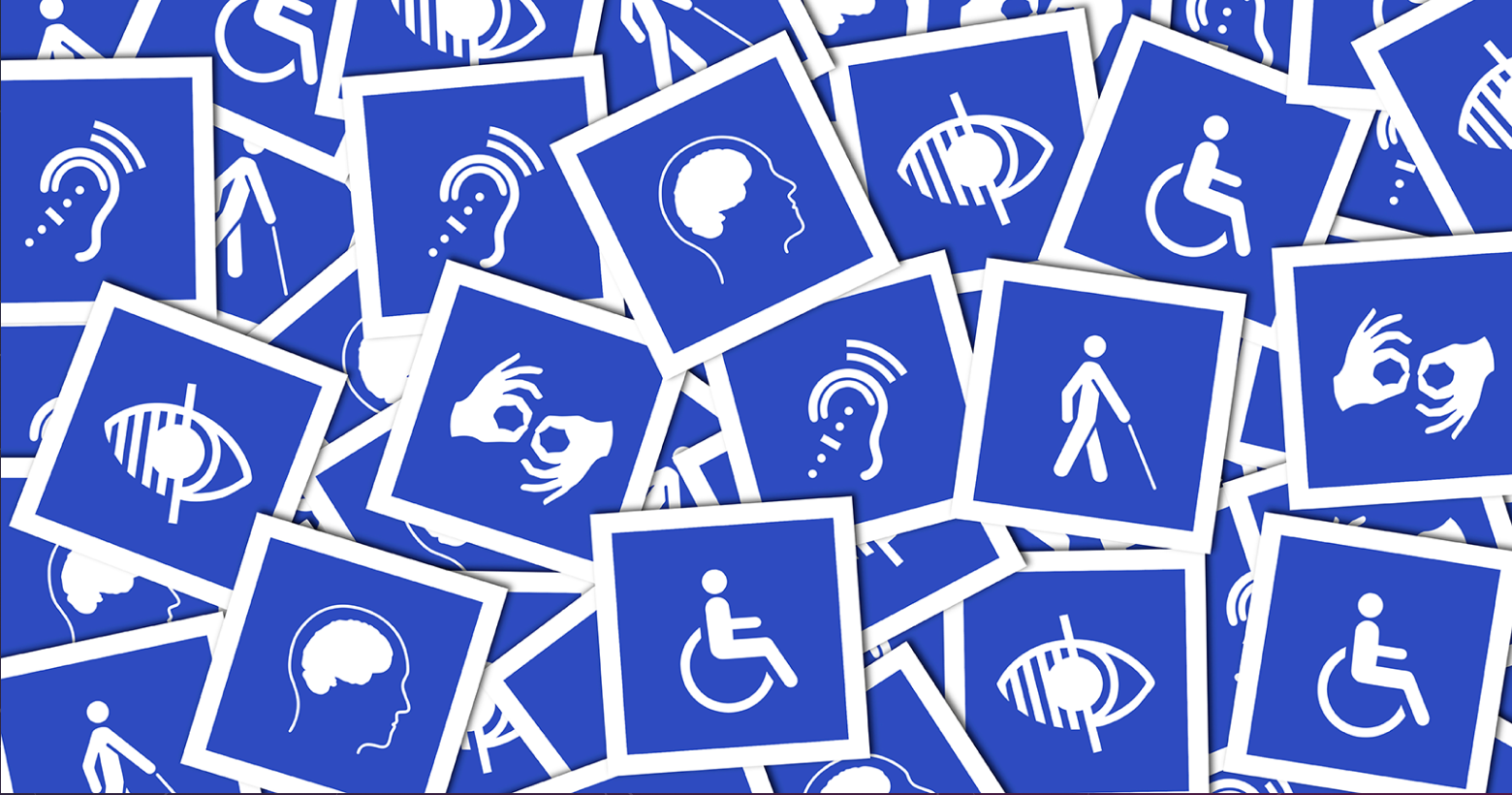
Digital accessibility ensures that websites, tools, and technologies are designed and developed so that people with disabilities can use them. This includes individuals with visual, auditory, motor, and cognitive impairments.
According to the CDC, one in four U.S. adults lives with a disability1. For community-based financial institutions, ignoring this user group is not just exclusionary. Overlooking website accessibility is also a missed opportunity to serve a vital part of the population.
Legal and Regulatory Landscape
Key Frameworks
- WCAG (Web Content Accessibility Guidelines): Developed by the W3C, WCAG is the international standard for digital accessibility. Current versions include WCAG 2.1 (the current standard) and the newly introduced 2.22.
- ADA (Americans with Disabilities Act): U.S. courts have increasingly interpreted the ADA to apply to websites, even though the law predates the internet. Title III of the ADA considers public-facing sites as places of public accommodation.
- Section 508: This federal mandate applies to organizations receiving federal funding or working with government agencies and requires compliance with accessibility standards.
Legal Precedent
Web accessibility lawsuits under the ADA have increased dramatically, rising from 814 cases in 2017 to over 4,000 in 2022 alone 3. These suits often target small to midsize organizations, including local banks and credit unions, which may lack internal accessibility expertise.
The Importance to Community Banks & Credit Unions
- Equal Playing Field
Community Banks and Credit Unions are held to the same standards as national banks. - Increased Digital Use
More members now rely on financial institutions' digital properties as their primary interface with their services. - Community-Centered Approach:
Inaccessibility undermines any mission of inclusivity and community service..
The Risk of Inaction
- Legal Liability
Failure to comply with accessibility standards can result in lawsuits, settlements, and court-mandated remediation. Settlements typically range from $10,000 to $75,000, but that doesn’t include costs for legal defense and website remediation will still be required as part of the settlement4. - Reputational Harm
Public perception matters. Exclusionary digital experiences send the wrong message to the community and can damage long-standing relationships. - Revenue Loss
Excluding 25% of potential users due to inaccessible content directly affects the bottom line. This will only continue to expand, especially as younger, tech-savvy members expect digital inclusivity.
Why Regular Accessibility Scans Are Essential
Accessibility is not a “one-and-done” compliance checkbox. Websites evolve with new content, third-party tools, and design updates…all of which can reintroduce accessibility issues.
What Regular Scans Offer
- Identification of newly introduced accessibility errors,
- Monitoring for the national accessibility standard | WCAG 2.1, Level aa,
- Audit-ready reports for internal and external use, and
- Strategic guidance for remediation before risk escalates.
Best Practices for Community Institutions
- To maintain accessible digital environments
- Run scans Quarterly, or every 6 months,
- Use a combination of automated tools and manual reviews by trained specialists,
- Prioritize high-traffic and critical pages: homepage, login, contact, account services, and
- Establish an internal accessibility content policy to guide future decisions.
Why Partner with Trabian
We specialize in website development and ongoing support for community banks and credit unions. Our accessibility services are tailored to the unique demands of your institution.
We Provide
- Annual, Bi-Annual, and Quarterly accessibility scan packages,
- Human-reviewed reports with prioritized fixes, and
- Support from expert developers and accessibility testers.
Conclusion: Digital Inclusion Is Community Inclusion
Community financial institutions should be rooted in accessibility and trust. This mission must now extend to digital experiences. By investing in regular accessibility scans, you reduce risk and, meet regulatory requirements. Most importantly this practice ensures continued service to all members of your community.
Next Steps
Let’s make your website accessible to everyone
Get in touch to learn how we can integrate accessibility audits into an ongoing support plan.
Carlos Lee
Director of Client Operations
carloslee@trabian.com
Footnotes
Centers for Disease Control and Prevention (CDC), Disability Impacts All of Us: https://tinyurl.com/4j4ch8mf
W3C, Web Content Accessibility Guidelines (WCAG) Overview: https://www.w3.org/WAI/standards-guidelines/wcag/
Lawsuits over disabled Americans; access to websites have surged: https://tinyurl.com/mspeam3e